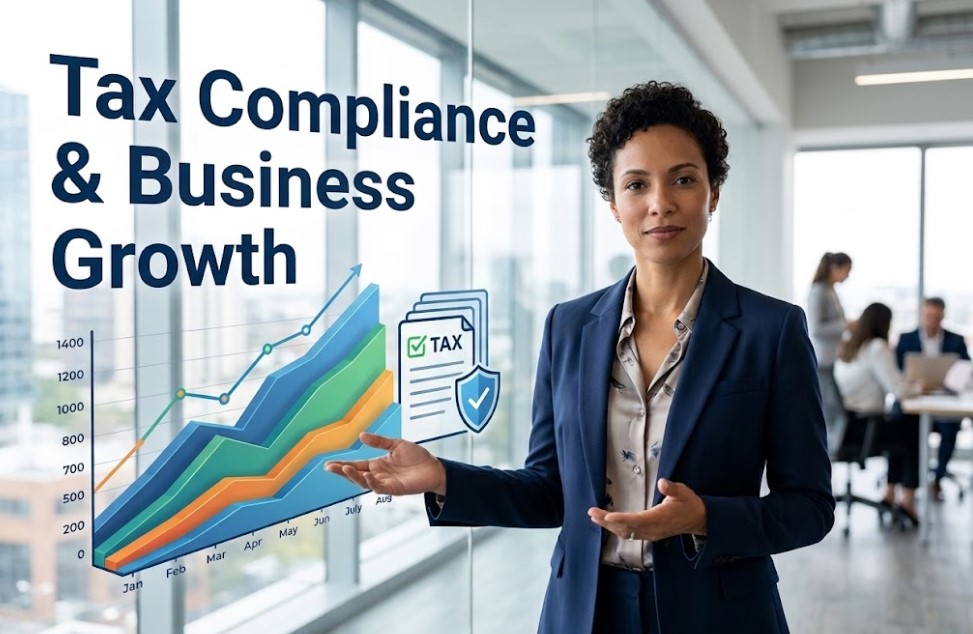
Tax compliance is more than filing returns and paying taxes on time. For businesses of every size, it is an important part of financial management, risk control, and long term growth.
Following applicable tax laws, maintaining accurate records, and meeting filing and payment obligations can reduce avoidable risks and build confidence among customers, investors, lenders, employees, and business partners.
Understanding tax compliance for businesses helps companies create stronger financial processes while avoiding costly mistakes. It also provides a reliable foundation for making business decisions.
Tax compliance refers to meeting the tax obligations that apply to a business. Depending on the business structure and applicable UAE tax laws, these may include tax registration, maintaining financial records, calculating tax correctly, filing returns, paying amounts due, and keeping supporting documentation.
Requirements can vary based on the type of tax and the nature of the business. Businesses should therefore understand the specific requirements that apply to their operations.
Accurate recordkeeping is a central part of tax compliance. Businesses in the UAE should maintain proper financial records, invoices, receipts, and supporting documents to meet applicable UAE tax compliance requirements and support the information reported in their tax returns.
One of the key tax compliance benefits is better control over financial and regulatory risk. Missing a deadline, reporting incorrect information, or failing to maintain adequate records can result in additional costs and administrative problems.
Tax authorities may impose penalties or other consequences when businesses fail to meet their obligations. A structured compliance process helps businesses track deadlines, review financial information, and address potential issues early.
Tax compliance is closely connected to financial management. Businesses need complete and accurate records to understand their financial position.
Maintaining accurate tax records provides a clearer view of revenue, expenses, assets, liabilities, and taxable transactions. These records can also support financial statements used when dealing with banks and creditors.
Reliable financial information helps management evaluate costs, plan investments, monitor profitability, and make informed decisions about expansion.
Unexpected tax liabilities, interest, and penalties can place pressure on cash flow. Companies that delay tax planning may also struggle to prepare funds for upcoming payments.
Effective tax planning and compliance allows businesses to understand expected obligations and include them in financial planning. Responsible tax planning focuses on following applicable rules and using legitimate deductions or reliefs where permitted by law.
Business trust depends on more than products and customer service. Financial responsibility also plays an important role.
Maintaining organized records and meeting legal obligations can demonstrate that a business has structured financial processes. This can matter when dealing with lenders, investors, suppliers, government agencies, and larger corporate customers.
Business expansion often increases financial and administrative complexity. New employees, locations, products, customers, suppliers, assets, and transactions can introduce additional tax obligations.
A strong business tax compliance process helps companies manage this complexity. It also makes financial information easier to review as the organization grows.
Good records can provide useful information about business performance. They can help companies identify profitable products, monitor expenses, and determine where changes may be necessary.
Tax compliance is therefore not simply a regulatory requirement. It can become part of a broader financial management system that supports sustainable growth.
Businesses can use a basic tax compliance checklist to improve their processes. Requirements vary by jurisdiction, but a general checklist includes:
Identify all taxes that apply to the business.
Track filing and payment deadlines.
Maintain accurate income and expense records.
Store invoices, receipts, payroll documents, and supporting records.
Reconcile financial transactions regularly.
Review tax calculations before filing.
Keep copies of submitted returns and payment confirmations.
Monitor changes to applicable tax rules.
Seek professional advice when tax matters become complex.
Supporting documents are important because they provide evidence for transactions and amounts reported in tax returns.
Ignoring tax obligations can create financial and operational problems. Late filings, inaccurate information, inadequate records, or unpaid taxes may result in penalties, interest, additional administrative work, or increased scrutiny, depending on applicable laws.
The consequences vary between countries and types of tax, so businesses should not assume that penalty rules are the same everywhere.
Poor compliance can also make financial reporting more difficult. When records are incomplete, management may struggle to establish the true financial position of the business.
Trust takes time to build but can be damaged when stakeholders discover serious financial or regulatory problems.
Consistent tax filing compliance demonstrates that a business takes its legal and financial responsibilities seriously. Although tax compliance alone cannot guarantee a strong reputation, it is an important part of responsible business management.
The best approach is to make compliance part of regular business operations rather than treating it as a yearly task. Use suitable accounting or recordkeeping systems to organize transactions. Review records regularly instead of waiting for filing deadlines. Assign responsibility for tax obligations and maintain a calendar for important dates.
Businesses that need additional support can also consider professional tax compliance advisory services to help with applicable tax requirements, filings, compliance reviews, and risk management.
Businesses should also review their processes when they expand, change their structure, hire employees, enter new markets, or introduce new products and services. When tax rules are complex or frequently changing, professional tax advice can help businesses understand their obligations and manage compliance risk.
Tax compliance is an essential part of responsible business management. It can help companies reduce tax compliance risk, maintain accurate financial information, protect cash flow, and strengthen trust with stakeholders.
Effective compliance also creates better financial discipline. Accurate records and timely filings give business owners clearer information for planning and decision making. Businesses seeking professional guidance can learn more from EGC Consulting about managing tax obligations and maintaining ongoing compliance.
By maintaining reliable records, monitoring obligations, and reviewing tax processes regularly, businesses can build a stronger foundation for sustainable growth. For guidance based on your business requirements, contact our team to discuss your tax compliance needs.

Your trusted partner for strategic advice and managed services in Finance, IT and Tax Excellence.
© 2025 EnTrust Global Consulting. All Rights Reserved.